Monthly Archives: February 2014

Conversation Balance

Many conversation guides you may encounter will encourage you to ask questions and get the other person to talk continuously about themselves.  However, while this is definitely a great way to get to know someone, avoid awkward silence, and develop a relationship, it creates a conversation imbalance that is potentially taxing and tiring for the other person, particularly if the other person is not prepared or interested in being interviewed.  Remember that a conversation is one in which the participants should all take part and contribute to, while an interview is one where an interviewer asks the interviewee(s) questions.  To help you take part, I would recommend that for every question that you ask to the other party, try to add in your own answer after theirs, sharing the weight of the conversation as opposed to dumping it all on the person you are conversing with.  This also allows for the other person to get to know what you think, which is important if you want to develop a relationship that goes both ways (How to Make Friends).

Conversation Flow example

Person A: Question
Person B: Answer
*natural pause*
Person A: Answer or Follow-Up Question
*repeat*

Resources

List of Conversation Transitions 

To find out when more life education writing is released, subscribe on the side! Follow on Twitter, on Facebook, on Google+, on Tumblr.
Curriculum Philosophy

Historically, the age at which one became an adult was tied to the age at which one could serve the army: originally 21, lowered to 18 when the need for soldiers escalated as a result of WWII, Korea, and Vietnam.  I think it is less the number of years one has lived, and more the maturity one has achieved, that makes someone an adult.  This site provides a curriculum for someone who wants to be a mature adult.

Schools today teach knowledge without explaining why you should learn or what the context is with respect to your life, I provide this context.

Basic Knowledge

  1. Understand the world on its own.
  2. Understand yourself on your own.
  3. Understand yourself in relation to the world.
  4. Understand yourself in relation to others.

For Mental and Emotional Health

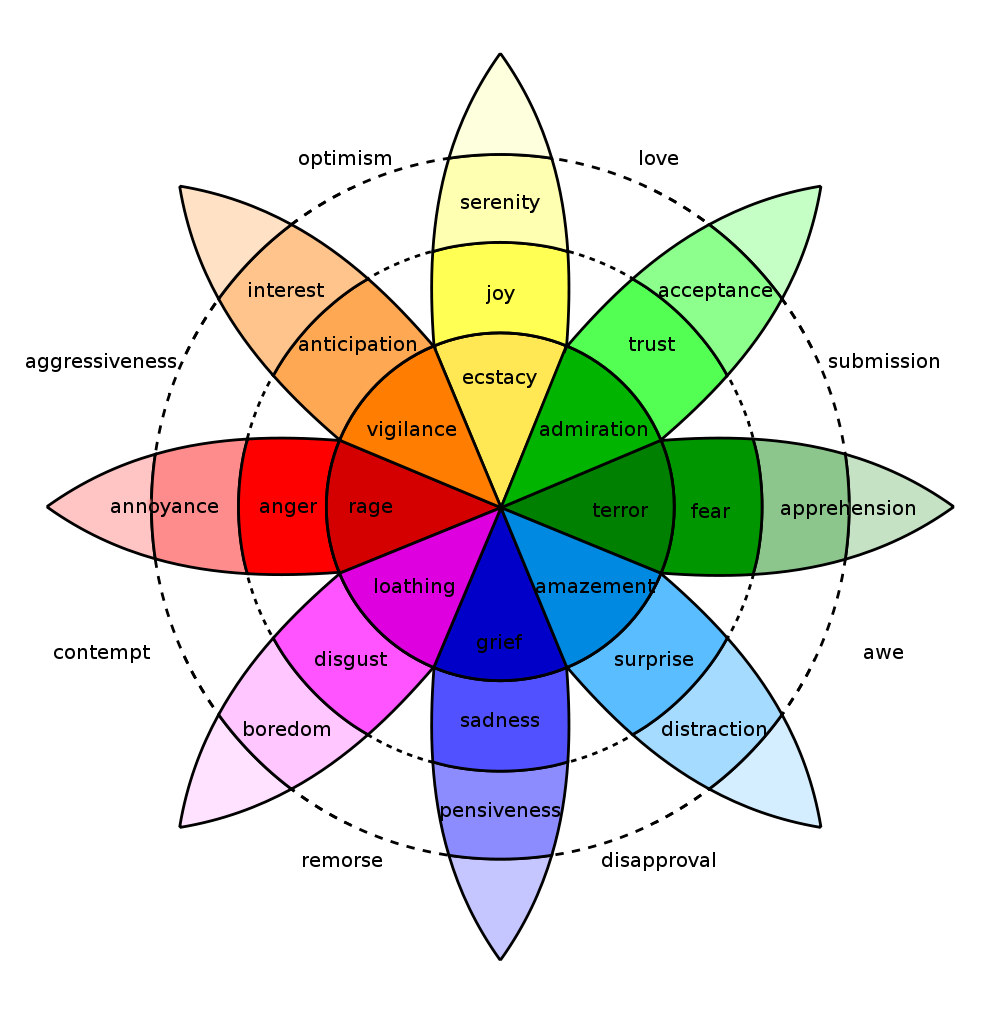
  1. Know yourself, Understand yourself, Accept yourself, Be yourself. (Empathy, and Learn to manage your Wheel of Emotions)
  2. Know someone else, Understand someone else, Accept someone else. (Empathy)
  3. Develop Communication (Social) skills and Relationship skills in order to develop relationships with others. (And make the world a better place: Julian Treasure Ted Talk)

For Success

  1. Build up Self Worth to handle honest criticism.
  2. Achieve Self-Awareness
  3. Work to achieve Physical Health, Mental and Emotional Health, Intellectual Health, Spiritual Health.  Same steps as Getting Out of Depression 

Subscribe on the side! Follow on TwitterFacebookGoogle+Tumblr.

Conversation Skill – Rich vs Poor

Conversation skill is like any other skill (What is Skill, Talent, Potential, Smart, Intelligence?), it improves with practice and good instruction.

Habit: When someone talks to you, do you always answer, or do you normally not answer.

Rich parents are more likely to have the time, energy, interest, and care to talk to their children, therefore developing the child’s conversation skills and training the child to talk back.  This is a mark of good manners that Rich parents teach: “speak when spoken to” because ignoring someone is rude.  Teaching a child to talk back in turn teaches both independent thinking and independent opinion making, as well as clear and open communication, which is the foundation for all good relationships.

Poor parents are more likely to work minimum wage jobs and never be home, or when they are home, to be too exhausted or uninterested in their children to have conversations with them.  Furthermore, the cultural expectation is different: children in poor families are more often expected to shut up and not talk back, because talking back is considered disrespectful.  This is because the parents probably don’t get enough respect in the real world for being poor or working low skilled jobs, so they demand it from their children: they demand silent obedience, exactly what the world demands of the poor parents.  As a result, the children learn not to talk back, not to have clear communication, not to have good manners, and not to develop independent thinking and opinions.

Check out more Conversation Resources or Rich vs Poor Series

Language Gap – NYTimes; Children from low income homes have a 30 million word gap by the time they enter kindergarden.

To find out when more life education writing is released, subscribe on the side! Follow on Twitter, on Facebook, on Google+, on Tumblr.