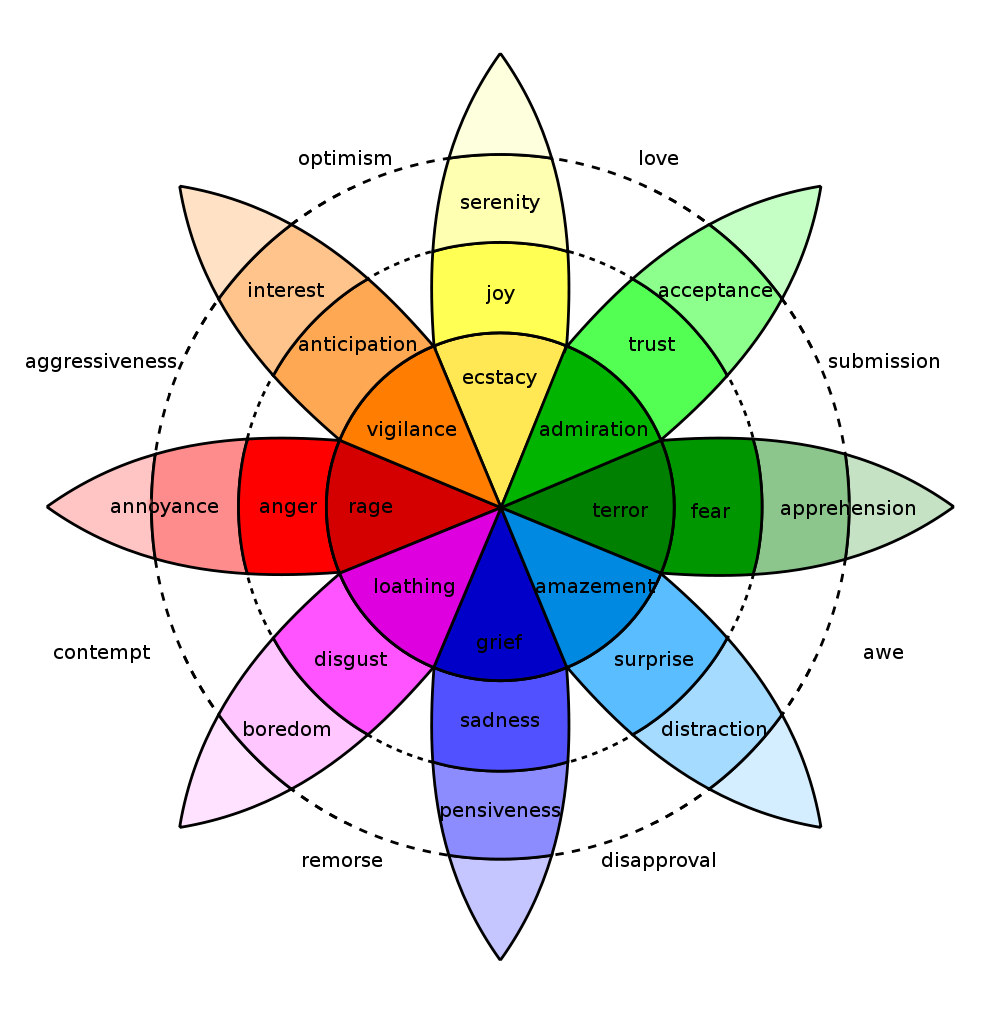
Physical Health affects your mood and energy levels, which in turn influence the conversation. I’m less likely to be as engaged in the conversation if I’m sleepy and tired than if I’m well rested and alert. If you are having trouble keeping up, ask yourself if you’ve been getting enough sleep and eating the right kinds of food. (Resources: 6 ways your diet effects your mood, You are what you eat). Also, If I’m feeling sad, I may prefer to talk about sad things because that’s how I feel, or favor over the top happy things to balance out and forget the sad. If I’m feeling excited I might talk about things coming up that excite me, while if I’m feeling nostalgic I’ll reference experiences in the past. Becoming self-aware about your current physical state will improve your conversations by allowing you to react appropriately when you’re in a
Emotional Health affects your willingness to engage in the conversation. If I’m afraid of being judged, of being vulnerable, etc.; I will be very careful about what I say, or not say anything. (Check out Social Anxiety Posts and my Life Education Curriculum)
Intellectual Health affects your ability to participate in the conversation. If we’re talking about Golf and I know nothing about Golf, the best thing I can do is ask questions and react to the answers. There will be very little opinion or insight I can add to the conversation about a topic I know nothing about, so you’ll have to build off answers. This is fine, unless the other person is not in the mood to explain, in which case the conversation should switch topics.
Spiritual Health affects your inner compass, which in turn determines who you will get along with and who you won’t: this affects the flow of the conversation. What are you goals in life? What is your purpose? If they are not aligned with the person you are talking to (I want to talk about ponies and nothing else, you want to talk about daisies and nothing else), then no-one gets anywhere and the conversation dies. If two people constantly disagree, it will also kill the conversation, turning it into either a friendly discussion, which is good, or an argument, which is less idea.
My guide on Getting Out of Depression doubles as a guide for how to be healthier in all aspects of life, covering everything above and more, check it out!
To find out when more life education writing is released, subscribe on the side! Follow on Twitter, on Facebook, on Google+, on Tumblr.