Category Archives: Thoughts On Life

Unique and Interesting Observations or Perspectives

How Your Health Affects Conversations

Physical Health affects your mood and energy levels, which in turn influence the conversation.  I’m less likely to be as engaged in the conversation if I’m sleepy and tired than if I’m well rested and alert.  If you are having trouble keeping up, ask yourself if you’ve been getting enough sleep and eating the right kinds of food. (Resources: 6 ways your diet effects your moodYou are what you eat).  Also, If I’m feeling sad, I may prefer to talk about sad things because that’s how I feel, or favor over the top happy things to balance out and forget the sad.  If I’m feeling excited I might talk about things coming up that excite me, while if I’m feeling nostalgic I’ll reference experiences in the past.  Becoming self-aware about your current physical state will improve your conversations by allowing you to react appropriately when you’re in a
Emotional Health affects your willingness to engage in the conversation.  If I’m afraid of being judged, of being vulnerable, etc.; I will be very careful about what I say, or not say anything.  (Check out Social Anxiety Posts and my Life Education Curriculum)
Intellectual Health affects your ability to participate in the conversation.  If we’re talking about Golf and I know nothing about Golf, the best thing I can do is ask questions and react to the answers.  There will be very little opinion or insight I can add to the conversation about a topic I know nothing about, so you’ll have to build off answers.  This is fine, unless the other person is not in the mood to explain, in which case the conversation should switch topics.
Spiritual Health affects your inner compass, which in turn determines who you will get along with and who you won’t: this affects the flow of the conversation. What are you goals in life? What is your purpose? If they are not aligned with the person you are talking to (I want to talk about ponies and nothing else, you want to talk about daisies and nothing else), then no-one gets anywhere and the conversation dies. If two people constantly disagree, it will also kill the conversation, turning it into either a friendly discussion, which is good, or an argument, which is less idea.
My guide on Getting Out of Depression doubles as a guide for how to be healthier in all aspects of life, covering everything above and more, check it out!

To find out when more life education writing is released, subscribe on the side! Follow on Twitter, on Facebook, on Google+, on Tumblr.
Conversation Balance

Many conversation guides you may encounter will encourage you to ask questions and get the other person to talk continuously about themselves.  However, while this is definitely a great way to get to know someone, avoid awkward silence, and develop a relationship, it creates a conversation imbalance that is potentially taxing and tiring for the other person, particularly if the other person is not prepared or interested in being interviewed.  Remember that a conversation is one in which the participants should all take part and contribute to, while an interview is one where an interviewer asks the interviewee(s) questions.  To help you take part, I would recommend that for every question that you ask to the other party, try to add in your own answer after theirs, sharing the weight of the conversation as opposed to dumping it all on the person you are conversing with.  This also allows for the other person to get to know what you think, which is important if you want to develop a relationship that goes both ways (How to Make Friends).

Conversation Flow example

Person A: Question
Person B: Answer
*natural pause*
Person A: Answer or Follow-Up Question
*repeat*

Resources

List of Conversation Transitions 

To find out when more life education writing is released, subscribe on the side! Follow on Twitter, on Facebook, on Google+, on Tumblr.

Curriculum Philosophy

Historically, the age at which one became an adult was tied to the age at which one could serve the army: originally 21, lowered to 18 when the need for soldiers escalated as a result of WWII, Korea, and Vietnam.  I think it is less the number of years one has lived, and more the maturity one has achieved, that makes someone an adult.  This site provides a curriculum for someone who wants to be a mature adult.

Schools today teach knowledge without explaining why you should learn or what the context is with respect to your life, I provide this context.

Basic Knowledge

  1. Understand the world on its own.
  2. Understand yourself on your own.
  3. Understand yourself in relation to the world.
  4. Understand yourself in relation to others.

For Mental and Emotional Health

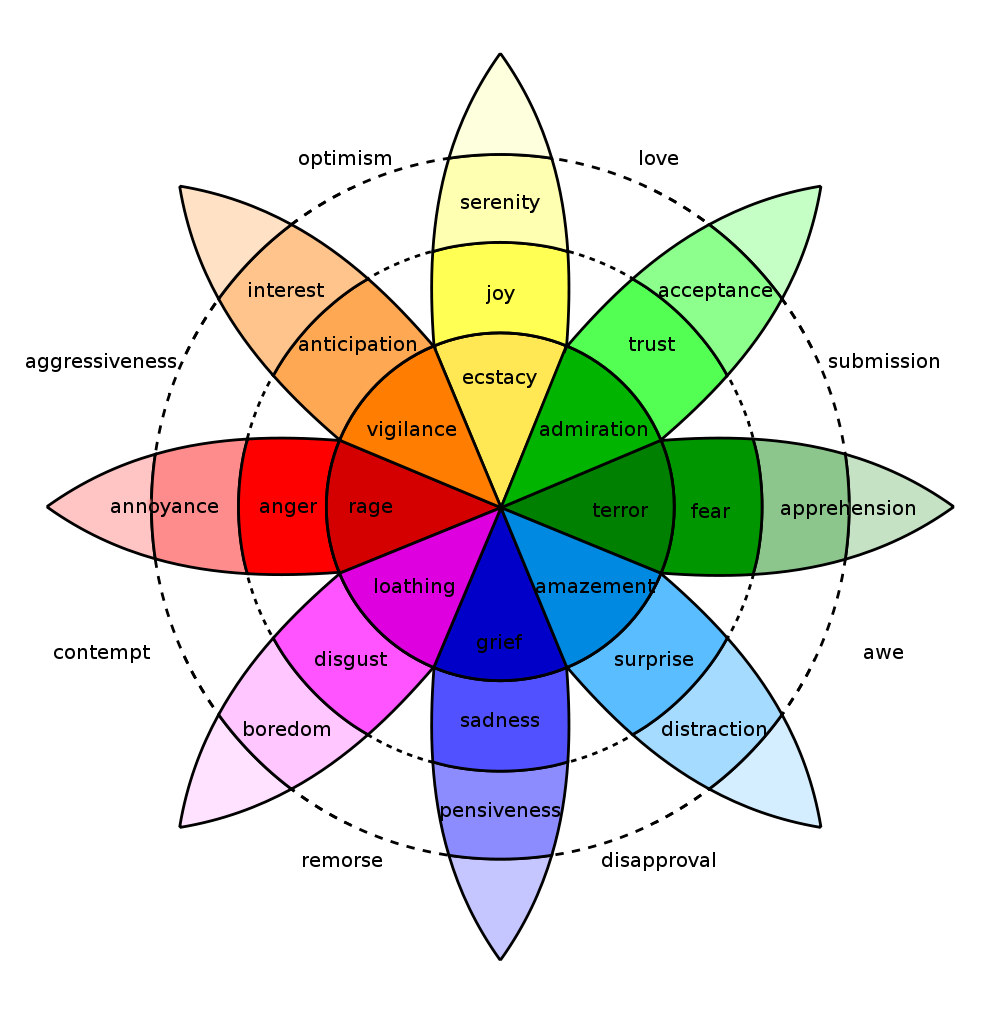
  1. Know yourself, Understand yourself, Accept yourself, Be yourself. (Empathy, and Learn to manage your Wheel of Emotions)
  2. Know someone else, Understand someone else, Accept someone else. (Empathy)
  3. Develop Communication (Social) skills and Relationship skills in order to develop relationships with others. (And make the world a better place: Julian Treasure Ted Talk)

For Success

  1. Build up Self Worth to handle honest criticism.
  2. Achieve Self-Awareness
  3. Work to achieve Physical Health, Mental and Emotional Health, Intellectual Health, Spiritual Health.  Same steps as Getting Out of Depression 

Subscribe on the side! Follow on TwitterFacebookGoogle+Tumblr.